Dance
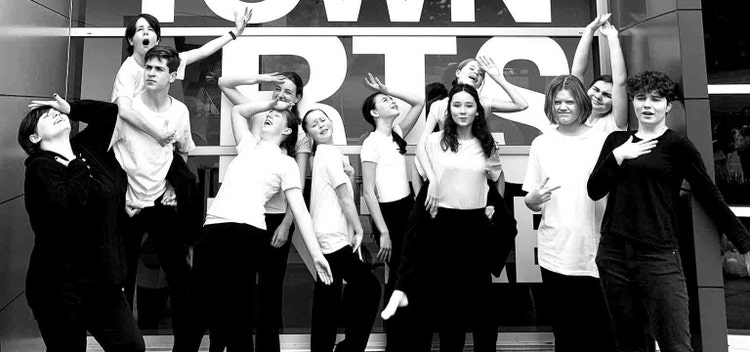
Dance immerses students in advanced performance, choreography, and critical analysis. Students develop technical skills in various dance styles while creating and refining original choreographic works that communicate ideas and emotions. The course explores dance theory, history, and the role of dance in cultural expression, encouraging students to evaluate and critique live and recorded performances. Practical workshops and creative projects foster collaborative skills and artistic innovation. Dance develops physical coordination, creativity, and critical thinking, providing pathways to tertiary dance courses, professional performance, choreography, production, and arts management careers.
Drama
Drama in Stage 6 demands sophisticated skills in performance, dramatic theory, and production. Students engage in devising, scripting, and performing a wide range of dramatic works, exploring themes, contexts, and theatre styles. The course emphasises interpretation, characterisation, stagecraft, and collaboration while developing critical and reflective practices through analysis of existing plays and live theatre. Students also examine the social and cultural functions of drama. This comprehensive theatre education prepares students for university drama programs, acting and directing careers, theatre production, and arts administration.
Entertainment (VET)
The Entertainment VET course provides students with practical, industry-relevant skills in live production, including sound, lighting, staging, and technical support. Students gain hands-on experience with professional equipment and develop competencies in show planning, event management, and stagecraft within a collaborative environment. The qualification supports pathways into the dynamic entertainment industry, enabling students to pursue careers as technicians, stagehands, production assistants, or to continue training in live performance and technical theatre disciplines. This VET course integrates workplace learning, fostering employability and technical expertise in entertainment contexts.
Music 1
Music 1 offers students an engaging introduction to music performance, composition, and analysis. Designed to develop practical skills across a broad range of styles, students learn to perform on their primary instrument or voice, compose original music, and study music theory and aural skills. The course encourages creativity and personal expression while fostering an understanding of music’s structural elements and cultural significance. Music 1 suits students seeking a comprehensive and accessible study of music, providing pathways to further musical study, performance opportunities, and involvement in community and school ensembles.
Music 2
Music 2 provides an advanced and in-depth study of performance, composition, and musicology. Students refine technical proficiency and stylistic versatility on their primary instrument or voice, engage in sophisticated compositional techniques, and analyse a wide variety of musical works from Western and non-Western traditions. The course balances practical musicianship with theoretical understanding, including study of music history, technology, and contemporary practices. Music 2 prepares students for tertiary-level music study and careers in professional performance, composition, music education, sound engineering, and music technology industries.
Photography
In Stage 6 Photography, students expand their technical expertise and artistic expression through the exploration of photographic practices and digital imaging technologies. The course emphasises the creative use of cameras, lighting, composition, and post-production software to produce high-quality photographic works. Students develop their personal style by experimenting with documentary, portraiture, landscape, and conceptual photography, while also analysing the evolving role of photography in contemporary culture and media. Critical reflection on the social, historical, and ethical contexts of photography enhances students’ visual literacy. This subject prepares students for further education and careers in photography, photojournalism, digital arts, advertising, and media production.
Visual Arts
Visual Arts builds on foundational skills and deepens students’ understanding of art-making processes, critical analysis, and art history. Students engage in sophisticated practical projects, using a variety of materials and techniques to express personal and conceptual ideas. The course encourages experimentation and refinement of skills across drawing, painting, sculpture, printmaking, and contemporary media, fostering individual creativity and artistic voice. Students also critically study and respond to artworks, exploring cultural, historical, and social contexts of art. Visual Arts equips students with the technical proficiency, research skills, and conceptual thinking required for further studies in art, design, and related creative fields, as well as careers in fine arts, curation, education, and visual communication.
Visual Design
Visual Design challenges students to creatively solve problems through visual communication. The course focuses on the development of design thinking, critical analysis, and practical application of design elements such as typography, imagery, colour, and composition. Students work with a broad spectrum of design fields including graphic design, digital media, advertising, packaging, branding, and environmental design. Through both traditional and digital tools, they learn to conceptualise and produce compelling visual solutions that address real-world contexts and client needs. The program fosters innovation and professional skills, preparing students for tertiary design studies and careers in graphic design, digital media, advertising, marketing, and other visual communication industries.