Personal development health and physical education (PDHPE)

Our High School PDHPE program promotes the development of physical fitness, healthy lifestyles, and personal wellbeing. Students engage in a variety of physical activities, learn about nutrition, mental health, and safety, and develop skills to make informed decisions that support lifelong health. We foster a positive and inclusive environment that encourages teamwork, resilience, and respect.

Course description Stage 4 - Years 7 and 8

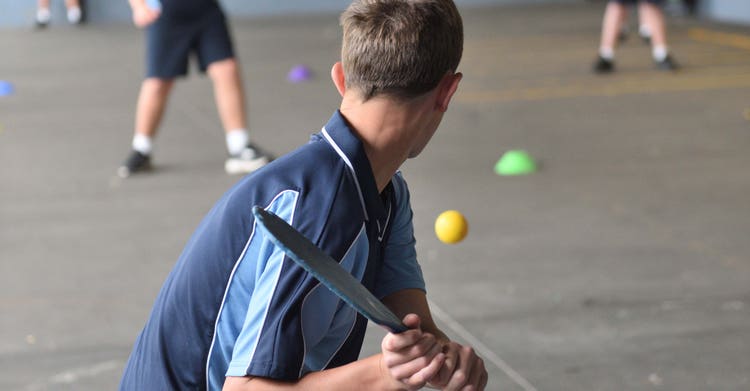
student playing racket ball

PDHPE
PDHPE course provides students with a comprehensive foundation in personal development, health, and physical education. The curriculum equips students with knowledge and practical skills to promote physical, social, and emotional wellbeing across their lifespan. Core topics include growth and development, nutrition, mental health, relationships, respectful communication, drug education, and first aid. Students also participate in physical activities that develop movement skills, teamwork, and fitness, including games, sports, and fitness challenges. The course promotes an understanding of the interconnections between physical, mental, and social health, encouraging students to make informed, responsible decisions about their wellbeing. Through inquiry-based learning, students develop critical thinking, goal-setting, and self-management skills, empowering them to enhance their personal and community health. Stage 4 PDHPE fosters positive attitudes towards active lifestyles and lays a strong foundation for lifelong health, social responsibility, and further study in health-related fields.

Course description Stage 5 - Years 9 and 10

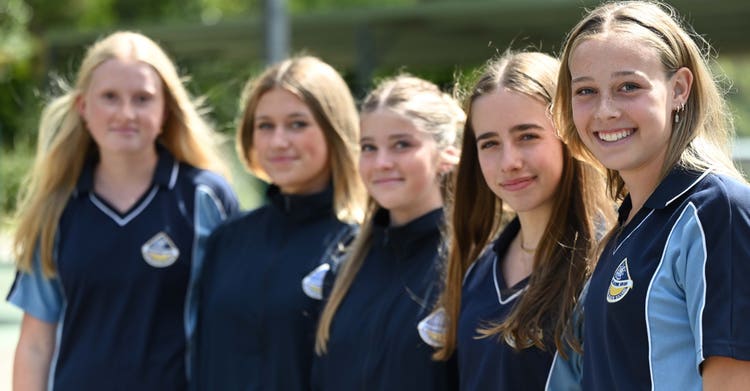
Smiling student in sports uniform

PDHPE
Building on Stage 4 foundations, Stage 5 PDHPE deepens students’ understanding of health concepts and effective participation in physical activity. This course explores complex topics such as the impact of lifestyle choices on health; the human body systems; mental health and wellbeing; and personal identity development. Students analyse contemporary health issues including substance use, reproductive health, and environmental influences, adopting evidence-based approaches to health promotion. Physical activities extend to individual, team, and lifelong sports, focusing on skill development, tactics, and fitness improvement to encourage active participation beyond school. Communication, leadership, and teamwork are emphasised in practical contexts. The course encourages reflective thinking and informed decision-making, equipping students to advocate for their own and others’ health while promoting resilience and positive social interactions. Stage 5 PDHPE supports pathways to senior health studies and prepares students to be proactive community members who contribute to healthier, more inclusive environments.

Physical Activity and Sports Studies (PASS)

Physical Activity and Sports Studies (PASS) is an engaging elective that offers students the opportunity to refine their practical skills and theoretical knowledge of physical activity, sport, and fitness. The course focuses on improving performance through an understanding of training principles, nutrition, biomechanics, and sports psychology. Students learn about factors influencing fitness and performance, injury prevention and management, and strategies to optimise participation. PASS features diverse physical activities, from individual sports to team games and recreational pursuits, encouraging students to develop goal-setting, leadership, and coaching skills. The theory component is complemented with practical sessions, including fitness testing and tailored training programs. PASS fosters a lifelong appreciation for physical activity’s health benefits and encourages students to become informed, motivated participants and potentially pursue careers in sports science, coaching, or health promotion. The course also promotes teamwork, communication, and analytical skills through the study of real-world sporting contexts.

Course description Stage 6 - Years 11 and 12

Student in sports coaching shirts

Community and Family Studies (CAFS)

Community and Family Studies (CAFS) is designed to support students’ understanding of the complex factors that influence individuals, families, and communities. The course addresses topics such as human development, relationships, resource management, and social wellbeing. Students investigate how families and communities function, the challenges they face, and strategies to promote positive outcomes. Emphasis is placed on research, critical thinking, and practical skills in communication and problem-solving. Students engage with contemporary issues such as ageing populations, diversity, and social justice through case studies and community engagement. CAFS fosters empathy, civic responsibility, and the capacity to contribute constructively to society and professional contexts such as social work, community development, health, and education. It equips students with strategies for personal growth and effective collaboration in diverse environments.

Health Movement Science

As part of the PDHPE Stage 6 course, Health and Movement Science provides in-depth investigation into human anatomy, physiology, biomechanics, and motor learning related to physical activity and performance. Students explore how the body moves and adapts during exercise and develop scientific understanding of fitness and training principles. The course integrates theory with practical application, requiring students to design and evaluate personalised training programs and injury prevention strategies. Skills in data collection, analysis, and critical evaluation of health and sport science research are developed. This subject prepares students for tertiary study in exercise science, physiotherapy, sports coaching, and related professions by fostering analytical, communication, and problem-solving skills within a health and movement context.
Sports Coaching (VET)
The Sports Coaching VET course integrates practical coaching skills with industry-relevant knowledge, preparing students for employment within the sport and recreation sector. Students develop competencies in planning, conducting, and reviewing coaching sessions aligned with coaching principles, safety guidelines, and participant needs. The course covers topics such as sport psychology, learning styles, fitness principles, and ethical practices. Emphasis is placed on leadership, communication, risk management, and team management to foster effective coaching environments. Students gain practical experience coaching peers or community groups, enhancing their confidence and industry readiness. The VET qualification supports pathways into coaching, fitness instruction, sport development, and community recreation careers, offering recognised vocational skills alongside academic development.

Sport Lifestyle and Recreation (SLR)

Sport, Lifestyle and Recreation (SLR) provides students with a practical and theoretical understanding of physical activity that contributes to healthy, active lifestyles. The subject examines the role of sport and recreation in personal fitness, community engagement, and wellbeing. Students explore factors influencing participation, including motivation, culture, and health benefits. The course involves analysing sports and recreational activities, facilitating skill development, and promoting leadership in organising community-based programs. Through practical participation and leadership roles, students develop teamwork, communication, and planning skills. SLR encourages students to adopt lifelong active habits and supports pathways into recreation management, community health, and sports-related industries by emphasising both participation and promotion of healthy living.
Have a question for our principal or teachers?

Our friendly office team can help you get in touch.

Contact us

Learning

Find out about our approach to learning and supporting students to progress.

Travel to school

Learn about local transport options and how to get here safely.