Technology and applied studies

Our High School Technological and Applied Studies (TAS) program equips students with practical skills and creative problem-solving abilities across a variety of fields, including design, engineering, hospitality, and information technology. Through hands-on projects and real-world applications, students develop innovation, teamwork, and technical expertise essential for future careers and everyday life.

Course description Stage 4 - Years 7 and 8

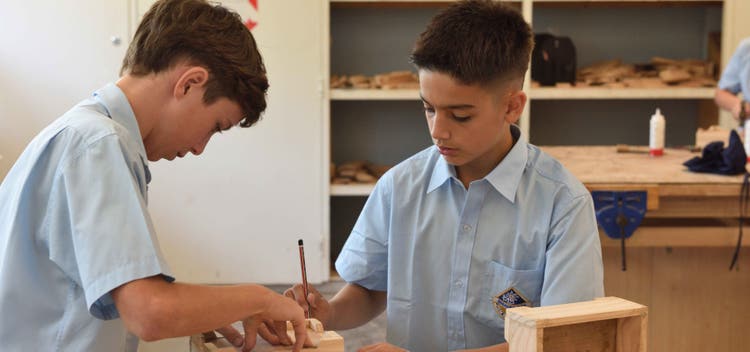
Students in woodwork

Technology

Technology provides students with a broad introduction to design, materials, tools, and technologies. The course encourages curiosity and problem-solving through hands-on projects that involve planning, designing, and producing quality artefacts. Students explore diverse materials including timber, textiles, food, and digital technologies, developing foundational skills in safe tool use, technical processes, and creative thinking. Technology cultivates an understanding of how designed products impact society and the environment, promoting responsible innovation. This stage sets the groundwork for the more specialised elective studies in Stage 5 and 6, inspiring students to pursue technology-related pathways in further education and careers.

Course description Stage 5 - Years 9 and 10

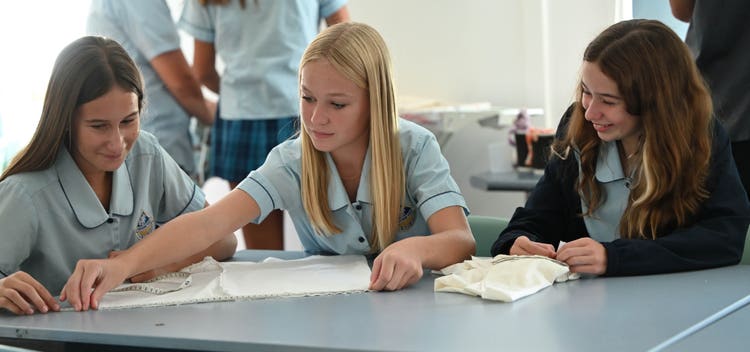
Students in textiles

Child Studies (Elective)

Child Studies focuses on understanding child development, health, and wellbeing. Students explore the physical, emotional, social, and intellectual growth of children and learn practical skills related to childcare, play, and education contexts. The course promotes responsible and ethical care practices and encourages students to consider professional pathways in early childhood education, childcare, health services, and community work.

Computing Technology (Elective)

Computing Technology introduces students to the fundamentals of computing, including programming, systems analysis, and data management. Students develop problem-solving skills through programming projects, algorithm development, and exploration of computer hardware and software concepts. The course fosters computational thinking and creativity, enabling students to design and produce simple digital solutions. This elective provides foundational knowledge and pathways toward advanced studies in software development, information technology, and computer science.

Design and Technology (Elective)

Design and Technology emphasises creative problem-solving through product design and development. Students explore design processes, technology use, and materials to produce innovative solutions that meet specific needs or problems. The course integrates research, planning, production, and evaluation, encouraging students to consider sustainability and user-centred design. This elective offers pathways into senior design studies and careers in industrial design, engineering, manufacturing, and innovation sectors.

Food Technology (Elective)

Food Technology, students explore food science principles, nutrition, and safe food preparation techniques. They develop skills in planning, producing, and evaluating a variety of food items, with an emphasis on practical applications and industry standards. The course encourages creative food design while promoting healthy and sustainable eating practices. Students analyse the social and cultural influences on food, laying a strong foundation for further study in food technology, hospitality, nutrition, or food science careers.

Graphics Technology (Elective)

Graphics Technology focuses on developing students’ skills in visual communication and design through manual and digital media. The course involves creating technical drawings, graphic layouts, and presentations using industry-standard software and traditional techniques. Students learn design principles, rendering techniques, and how to communicate ideas effectively to clients. This elective prepares students for senior studies and careers in graphic design, architecture, advertising, and digital media industries.

Industrial Technology - Engineering (Elective)

Industrial Technology - Engineering introduces students to mechanical principles, materials, and manufacturing processes. Through practical projects, students develop skills in metalwork, machining, electronics, and automation technology. They learn to interpret engineering drawings, use precision tools, and apply problem-solving strategies to design and fabricate engineered solutions. The course promotes safety awareness and environmental responsibility within engineering practice. It prepares students for Stage 6 engineering courses, apprenticeships, or careers in trade and industrial engineering fields.

Industrial Technology - Timber (Elective)

Industrial Technology - Timber, students acquire practical skills and knowledge related to timber production and manufacturing. They learn to safely operate hand and power tools, machinery, and processes to design and construct quality timber projects. The course emphasises planning, drawing, and problem-solving in producing functional and aesthetic products. Students also explore sustainable timber use, material properties, and industry standards. This elective fosters technical proficiency and craftsmanship while preparing students for advanced timber studies or careers in woodworking, cabinet making, furniture design, and construction.

Marine and Aquaculture Technology (Elective)

Marine and Aquaculture Technology engages students with practical and theoretical knowledge about marine environments, aquatic species, and sustainable aquaculture practices. Students develop skills in marine equipment use, water quality testing, species identification, and culture techniques through hands-on projects and fieldwork. The course promotes environmental awareness and responsible resource management, providing a pathway to senior studies or vocational opportunities in marine biology, aquaculture, environmental science, and related sectors.

Textiles and Design (Elective)

Textiles and Design equips students with competencies in fabric selection, sewing techniques, and textile design. The course covers practical skills like pattern making, garment construction, embellishment, and textile surface design using traditional and digital media. Students engage in creative planning and production of functional and decorative textile products, developing an appreciation of sustainable and ethical textile practices. This elective serves as a pathway into senior studies or vocational opportunities in fashion, costume design, textile arts, and related industries.
Course description Stage 6 - Years 11 and 12

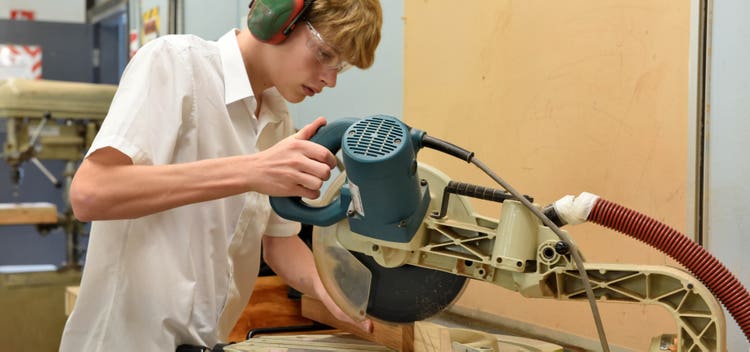
senior student using a drop saw

Design and Technology

Design and Technology focuses on the comprehensive process of designing, producing, and evaluating innovative products and systems. Students investigate emerging technologies, sustainable practices, and aesthetic considerations while engaging in independent and collaborative projects. The course enhances research skills, technical expertise, and creative thinking to prepare students for tertiary studies and careers in design, engineering, manufacturing, and creative industries.

Food Technology

Food Technology offers in-depth study of food science, nutrition, product development, and food service management. Students undertake practical food investigations and design projects that address contemporary issues such as health, sustainability, and technological advances. The course develops critical thinking and technical skills necessary for professional pathways in food science, nutrition, culinary arts, hospitality, and food manufacturing industries.

Industrial Technology - Engineering

Industrial Technology - Engineering provides detailed theoretical and practical knowledge across civil, mechanical, and electrical engineering disciplines. Students apply engineering design principles, problem-solving, and project management skills to complex, real-world challenges. The course includes advanced material science, structural analysis, systems modelling, and technological innovation. It is a strong foundation for university engineering degrees and careers in various engineering and technology sectors.

Industrial Technology - Multimedia

Industrial Technology - Multimedia develops students’ abilities to design, produce, and evaluate digital media products, combining graphics, audio, video, and interactive components. Students gain practical experience with industry-standard software to create innovative multimedia presentations and digital designs. The course explores emerging technologies, intellectual property, and project management, preparing learners for further studies and careers in multimedia design, digital media production, animation, and communication industries.

Industrial Technology - Timber

Industrial Technology - Timber provides students with advanced skills and theoretical knowledge in timber production and furniture making. Students plan, design, and construct complex timber projects using traditional and modern techniques, integrating computer-aided design and manufacture (CAD/CAM) technologies. The course covers material selection, quality control, safety, and sustainable timber practices. It prepares students for tertiary studies or apprenticeships in cabinet making, furniture design, construction, and related trades.

Software Engineering

Software Engineering provides students with advanced skills in programming, system analysis, and software development methodologies. The course covers algorithm development, computer architecture, data structures, and software project management. Students design and implement software solutions, critically evaluate outcomes, and adapt to emerging technologies. This course prepares learners for tertiary studies and careers in software development, information technology, and computer science fields.

Textiles and Design

Textiles and Design advances practical and creative skills in textile production and design innovation. Students engage in complex textile projects involving fabric manipulation, surface design, fashion, and wearable art, applying technical, historical, and cultural knowledge. The course incorporates digital textile technologies and sustainable design principles. It prepares students for tertiary education and careers in fashion design, textile arts, costume, and the broader creative industries.

Have a question for our principal or teachers?

Our friendly office team can help you get in touch.

Contact us

Learning

Find out about our approach to learning and supporting students to progress.

Travel to school

Learn about local transport options and how to get here safely.